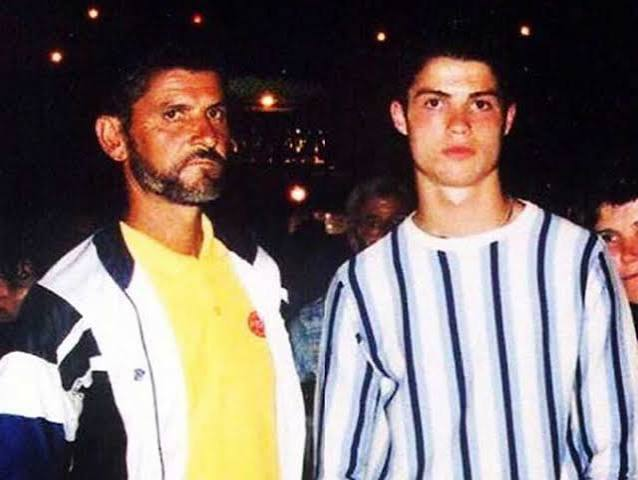
Cristiano Ronaldo dos Santos Aveiro is one of the most famous and successful footballers in the world. His story starts as a little boy from Madeira, born on the Portuguese island. He grew up in a very modest household consisting of two sisters and an older brother. Money was extremely limited, and both his parents had to work multiple jobs to keep the family afloat. Ronaldo would be introduced to football because his father worked as an equipment manager for a local club, CF Andorinha, often bringing Ronaldo to work.
Ronaldo lived in a very small home, and he described himself as sharing a bedroom with siblings. His family sometimes worried about when their next meal would be, which highlighted their financial struggle. This hardship only motivated Ronaldo even more and fueled his hunger to succeed, shaping his work ethic.
At a young age, Ronaldo began to shine in football, and his father saw this. His father believed he would become a professional player long before any scout ever laid eyes on him. However, beneath this passionate father was an alcohol addiction that slowly changed the relationship between the father and son. Ronaldo loved his father, but he never truly got to know him, as he seemed absent from his early achievements.
Alcoholism affected the whole family, and Ronaldo explained feeling like he slowly watched someone he loved drift away. It was difficult for him to grow up around alcoholism, and his father’s refusal to seek treatment only worsened the family’s morale.
At only 12 years old, struggling through poverty and his difficult family dynamic, Ronaldo would leave Madeira for Sporting, an academy in Lisbon. He cried often during his first months away from his family; however, his family’s encouragement pushed him to continue abroad.
Ronaldo blossomed into a soccer star, being signed for Manchester United when he was 18 years old. The manager, Sir Alex Ferguson, was a pivotal character in Ronaldo’s life, filling in the father-figure role that might have felt half empty.
In September of 2005, when Ronaldo was only 20 years old, his father passed away from liver failure at the age of 52. His father passed away before he was able to see Ronaldo become the football phenomenon that he had always known Ronaldo could become.
In his interview with Piers Morgan, Ronaldo saw a video of his father speaking proudly about him, a video that he had never seen before. Immediately, Ronaldo broke down crying, knowing that his father was already so proud of him when seeing so little of what he accomplished.
As a father himself, Ronaldo has spoken about wanting to be present for his own children. Whether it’s birthdays, holidays, day-to-day life, or school, he makes sure that he spends as much time as he can with them. Ronaldo’s childhood experience of absence allowed him to understand the importance of a present father figure and to give his children something he wished he had himself.
Instead of repeating the cycle of negligence, especially as such a busy individual with soccer, social media, promotions, commercials, and ceremonies, Ronaldo always committed to being present for his own family because of how much it affected him growing up with a fragmented one.
Support
Resources & Support
If this story resonated with you, these organizations provide resources for families navigating addiction, grief, mental health, and resilience.
Broad Shoulders Initiative is not a crisis service, medical provider, or therapy provider. If support feels urgent, please contact emergency services, a trusted adult, a school counselor, or a licensed professional.
References
Sources
- People Magazine. “All About Cristiano Ronaldo’s Parents, José Dinis Aveiro and Maria Dolores dos Santos Aveiro.” (external link)
- Sports Illustrated. “Cristiano Ronaldo Breaks Down Discussing His Late Father During Emotional Interview.” (external link)
- Sports Mole. “Ronaldo Opens Up About Father’s Death.” (external link)
- BBC Sport. Cristiano Ronaldo career information. (external link)
- Encyclopaedia Britannica. “Cristiano Ronaldo.” (external link)