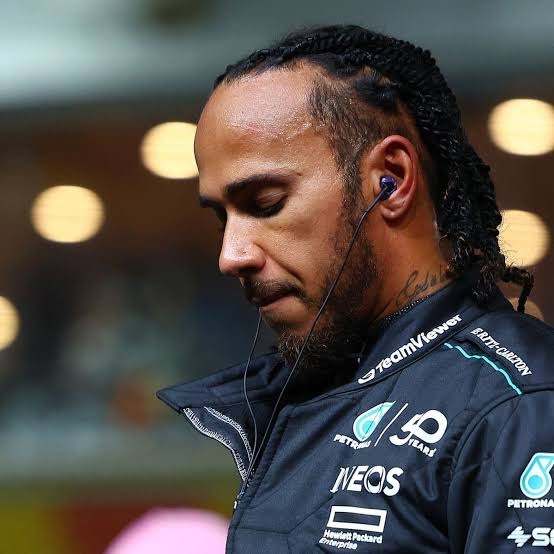
Sir Lewis Hamilton is one of the most successful, if not the most successful, Formula 1 drivers in history, winning over 105 Grand Prix races, seven championships, and a knighthood in 2021. What I believe, however, is that the most interesting aspect of his story is his background. Hamilton is the first and only black man to race in F1, a sport that has been dominated by wealthy European families. He, however, was not born with a silver spoon in his mouth. His father is of Grenadian descent, and his mother is a white woman from Birmingham. His family sacrificed a lot to get him racing. The financial motivator has been a strong driver for him not to waste a single moment, cherishing each second he is on the track.
Hamilton’s parents separated when he was two, and his mixed family situation was what helped introduce Hamilton to racing. He would spend Sundays with his father watching Formula 1, and during a holiday in Ibiza, he would get in his first go-kart. He would eventually be gifted one on his 8th birthday, and this would give way to his racing career.
Hamilton has struggled with depression and racism since he was only 13 years old. He got backlash from his peers, was bullied, and had to balance pressure from racing and struggling in school. To cope with these challenges, Hamilton has publicly stated taking up meditation, going on silent retreats, and reading books about mental health.
Racing is a cutthroat sport that puts every driver under a lot of pressure. A single wrong move could lead to life-altering consequences and millions of dollars lost. Mental health, especially for F1 racers, is an aspect of the sport that is very important. Anxiety and stress can make you second-guess yourself and make irrational decisions, leading to irreversible disasters. The hard journey of rising the ranks, going from go-karting to being strapped in million-dollar rockets, is a situation that many drivers, just like Hamilton, have had to face and overcome in their racing journey. Everyone, eventually, will go through a hiccup, and without understanding how to voice your problems and get the help that you need, even the strongest of athletes can crumble. After Hamilton left his successful career at Mercedes, he joined Ferrari, being expected to chase his first world championship.
His first season, however, was very tough, and he failed to finish a single Grand Prix podium, the first time in his whole career. Hamilton had to work through major frustration, losses, disappointments, and feelings as if he were in an insurmountable slump; however, through grit, dedication, and prioritizing his mental well-being first, he was able to overcome this, follow his passion, and continue racing.
Hamilton’s story highlights that the greatest athletes in the world struggle with burnout, pressure, self-doubt, and challenges from the environment they grew up in. Success doesn’t eliminate mental health struggles; in fact, sometimes it can amplify them. Behind every helmet, there is a person learning how to keep moving forward.
Closing Thought
Reflection
Lewis Hamilton's journey reminds us that success does not eliminate mental health struggles. Behind every achievement is still a person navigating pressure, setbacks, expectations, and self-doubt. His story serves as a reminder that asking for help, prioritizing mental well-being, and continuing to move forward are strengths—not weaknesses—and that no accomplishment makes someone immune to life's challenges.
Support
Resources & Support
If this story resonated with you, these organizations provide resources supporting student-athletes, mental health, resilience, and emotional wellbeing.
Broad Shoulders Initiative is not a crisis service, medical provider, or therapy provider. If support feels urgent, please contact emergency services, a trusted adult, a school counselor, or a licensed professional.