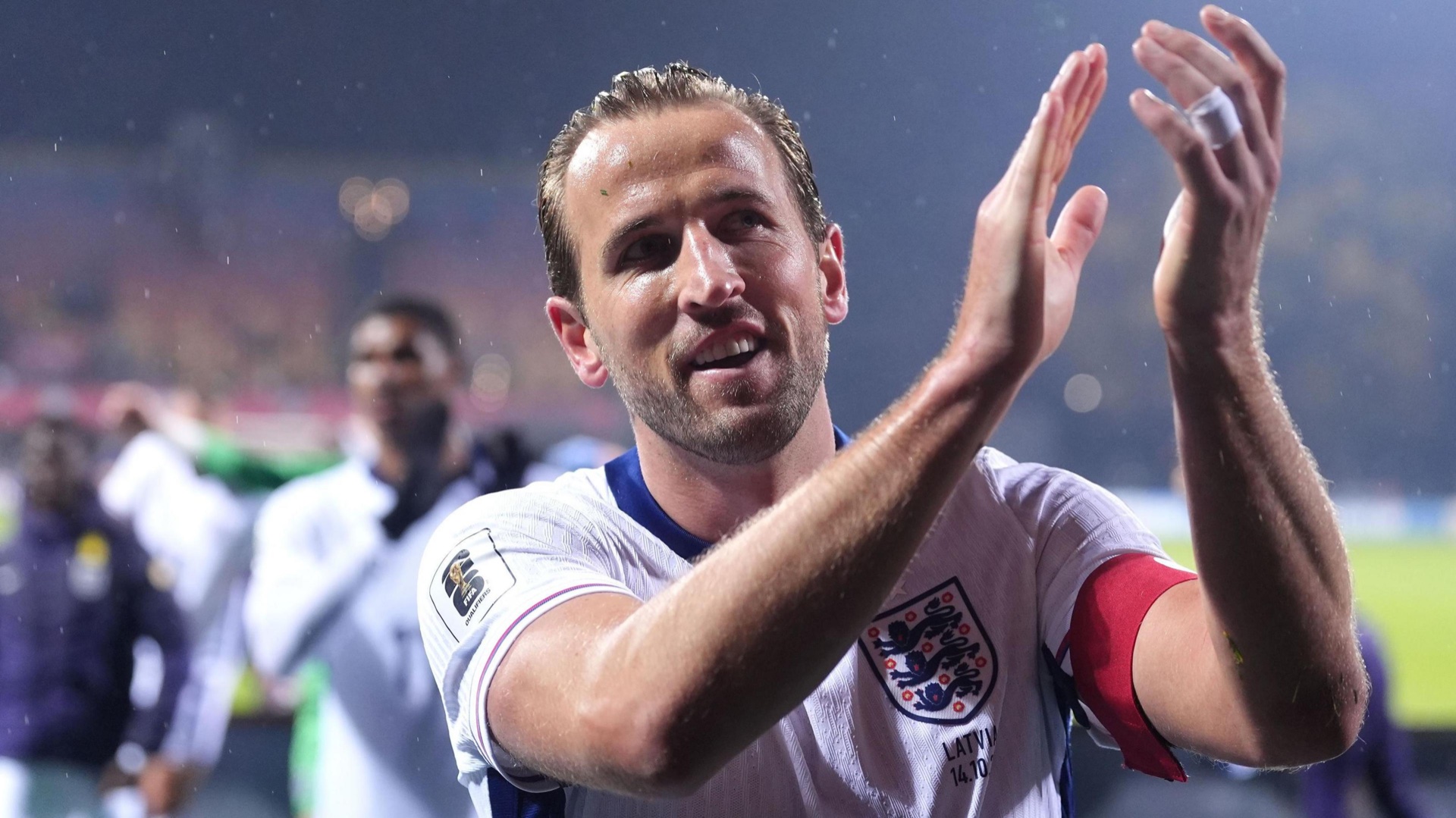
Today, Harry Kane is regarded as one of the greatest strikers of the football generation, England’s all-time leading goalscorer, and one of Europe’s most complete forwards, now a major trophy winner for Bayern Munich. Yet, almost every stage of his journey suggested he would never reach this excellence.
A Game That Began at Home
Harry Edward Kane was born on July 28, 1993, in Walthamstow, East London, before growing up nearby in Chingford.
Football surrounded his childhood. His father, Patrick, often played football with Harry and his older brother Charlie in Ridgeway Park. Kane’s earliest memories involved spending hours kicking a ball around until sunset. Unlike other elite players, Harry never grew to be the fastest, tallest, or most athletic. Coaches noticed something different: his love and passion for football more than anyone else.
Former coaches described him as the child who never wanted to leave the pitch and was always looking for ways to improve.
His family also played an enormous role.
Unlike many elite youth athletes surrounded by pressure, Kane grew up in a stable household. His parents emphasized humility, hard work, and treating others with respect before chasing fame. Coaches often mention Kane never developed the arrogance that often affects younger talents and had a grounded upbringing, which would later help him navigate rejection, preventing him from derailing.
The Rejections Begin
At just eight years old, Kane would join Arsenal’s academy; however, after only one season, he was released. Academy coaches believed he lacked athleticism and carried “baby fat,” simply not believing he possessed the physical profile necessary to become an elite footballer. Rather than dwelling on the disappointment, Kane’s father told him to keep working hard and to find another club. Kane has since said that, looking back, the rejection from Arsenal was probably one of the best things to happen to him because it gave him motivation to prove them wrong and to strive for higher peaks.
For a period of time, Kane would experience more uncertainty, and even Tottenham declined to sign him after an early trial. Kane had to return to his grassroots club, uncertain if another academy would take him. He later went on trial with Watford and was offered a contract. Eventually, however, Tottenham would invite him back after watching him play against them, and this time they offered him a place in their academy.
Joining Tottenham did not suddenly transform Kane into one of the academy’s brightest talents, and he admitted that he matured later physically compared to the players around him. Coaches recall him lacking the athleticism needed to perform at the highest level.
Learning Through the Loans
Kane would then spend years, season after season, on loan at many different clubs. In some loan spells, he performed well, while others were deeply frustrating. Every year, he returned to Tottenham without knowing if a solid opportunity would come or if he would be sold permanently.
These loan spells would mark the lowest moments of Kane’s career. He found himself living alone as a teenager, playing in unfamiliar cities, and fighting for minutes just to prove to the managers that he belonged. Instead of blaming everything around him, however, Kane looked inwards. He constantly asked himself what he could improve, staying after training to practice and strengthen his weaknesses.
“Harry Kane’s greatness was never obvious from the beginning. He built it one rejection at a time.”
The Chance He Had Waited For
Finally, after years of being put on loan, being rejected by big clubs, and having moments where he didn’t know whether or not he would have the opportunity to show his talent, Kane would be offered his chance by Tottenham at the age of 21. Once given this opportunity, he never looked back, producing over 20 league goals in the first full Premier League season.
From that point on, Harry Kane proved to the world that although he was a late bloomer, he had the talent, the grit, and the determination needed to perform on the biggest stage, never letting rejection stop him from reaching his goals.
Share
Share this story
References Sources
- England Football — “Origins: Harry Kane,” Kane’s first-person account of Ridgeway Rovers, his family, Arsenal’s rejection, and joining Tottenham (external link)
- Sky Sports — Kane on why Arsenal’s rejection became motivation (external link)
- BBC Sport — “Harry Kane: Tracking England captain’s evolution into world-class scoring machine” (external link)
- BBC Sport — “World Cup 2018: Harry Kane — the making of England & Tottenham striker” (external link)
- The Guardian — Kane on early rejection, self-belief, and loan spells at Leyton Orient, Millwall, Norwich City, and Leicester City (external link)
- The Guardian — Reporting on Arsenal’s assessment of Kane’s physical development and his return to Tottenham (external link)
- The Guardian — Arsène Wenger discussing Arsenal’s childhood release of Kane (external link)
- Tottenham Hotspur — Official Harry Kane club legend profile (external link)
- England Football — Official Harry Kane profile and all-time goalscoring record (external link)
- FC Bayern Munich — Kane on winning the 2024–25 Bundesliga, the first major team trophy of his career (external link)